April 3, 2026

SEO Campaigns For Healthcare Providers

Today, online search is the leading path patients use to find healthcare. A well-planned healthcare SEO campaign can generate substantial growth while costing much less than paid ads or referrals. Medical SEO Strategies That Work emphasize a tech-savvy site, local marketing, managing online reputation, and content-driven authority. Their goal is to attract patients who are actively searching for care.

Healthcare Lead Generation Services
A current medical website should include tools such as online booking, telehealth scheduling, secure bill payment, and location finders. These tools improve patient engagement and overall satisfaction. Higher engagement boosts search rankings.

For healthcare websites, content relevance and quality, time on site, page speed, and site security are key ranking factors. Clinics and healthtech firms that invest in medical SEO services or partner with a seasoned agency see increased organic traffic and better lead quality. They also gain a stronger local presence.

Because roughly 80% of U.S. adults search for health information each year, search sends more hospital website visits than most other channels. An SEO-first approach is essential for increasing patient volume and staying ahead of competitors.

Main Takeaways

  • Make a modern, patient-focused website with booking and portal tools a top priority.
  • Apply local SEO and geomarketing to capture location-based patient demand.
  • Manage online reputation to convert searchers into appointments.
  • Commit to strong content quality and structured data to secure top organic positions.
  • Working with medical SEO services or a niche medical SEO agency can speed up results.

Why Healthcare SEO Matters For Medical Practices And Clinics

Most patients start looking for healthcare online. A strong healthcare SEO strategy helps clinics and practices appear when people search for symptoms, treatments, or nearby care. This level of visibility often reduces acquisition costs substantially. It enables the website and search engines to generate leads and conversions for the practice.

Clear service pages and informative blog content cater to users at every stage of the patient journey. This approach is crucial for reaching patients effectively.

Healthcare Lead Generation Services

How Search Behavior Shapes Patient Acquisition

Most patients use search engines, not social channels, to find healthcare providers. Top-ranking organic listings capture most user clicks. That makes strong rankings critical for growing traffic and new patient volume.

SEO for medical practices works best when content is relevant and directly addresses common patient questions. Well-structured landing pages, FAQ sections, and localized content capture users at different intent levels. When blog posts support service pages, informational searches are more likely to turn into appointment bookings.

This approach lowers reliance on paid advertising and creates a steady stream of inbound patient leads.

YMYL Rules And E-E-A-T Considerations

Because health content is considered YMYL, it receives heavier scrutiny from search engines. Google looks for clear signals of Experience, Expertise, Authoritativeness, and Trustworthiness. Credibility is reinforced through author bios, medical credentials, and trustworthy citations.

Practices must showcase strong About and Contact pages, transparent privacy policies, and clinical disclaimers. These elements support medical SEO trends that prioritize source quality and trust. They also help pages compete more effectively in crowded healthcare search results.

Healthcare SEO Trends Shaping Visibility

Mobile optimization and site security are top priorities. Fast and secure websites support both user experience and search performance. Search engines respond well when older content is updated and structured data is used to support richer answers.

AI platforms like ChatGPT, Jasper, and Surfer SEO have become important for keyword research and content optimization. Teams that adopt these tools without abandoning best practices for medical SEO can build a stronger competitive edge in search.

Develop A Modern And Tech-Forward Medical Website

A healthcare website should be viewed as more than a basic online presence, because it functions as a key patient engagement tool. It needs clear navigation, real clinician imagery, and content that addresses common patient concerns. Important content includes service details, insurance information, billing guidance, and location information. All of these pieces are important for medical website optimization and conversion growth.

Patient-First UX And Conversion-Focused Pathways

Streamline appointment scheduling with prominent calls-to-action. Online booking forms, patient portals, and location finders remove friction for users. Marketing 1 On 1 advocates for mapping conversion pathways to turn organic traffic into bookings. Those pathways form the practical base of effective medical SEO strategies.

Security, Speed, And Mobile-First Design

Ensure page speed is under 2 seconds to enhance user engagement and search rankings. HTTPS is essential for protecting patient data and preventing security-related trust issues or penalties. Improving image optimization, limiting redirects, and moving large files offsite can reduce load time. Mobile-first design must include touch-friendly controls and unobtrusive flows, aligning with best practices for medical SEO.

Compliance And Accessibility

WCAG 2.1 AA is a minimum standard for making content accessible to all. Improving accessibility means fixing broken links, using clear headings, and labeling form fields properly. Accessibility boosts usability metrics, which search engines view as relevance signals. When compliance is paired with user-centered design, it strengthens larger digital marketing goals for healthcare organizations.

Website Feature Primary Benefit Implementation Tip
Online Appointment Booking More appointments generated from website visits Use prominent CTAs in the header and on service pages; reduce the number of fields
Protected Patient Portals Greater trust and stronger repeat engagement Use TLS, two-factor auth, and HIPAA-aware vendors
Fast Page Loads Lower bounce, better rankings Compress images, use CDN, reduce third-party scripts
Mobile-first Design Improved usability for mobile-first users Use real-device testing and prioritize thumb-friendly interaction zones
Accessibility Compliance (WCAG 2.1 AA) Wider audience, reduced legal risk Apply semantic HTML, alt text, and keyboard-friendly navigation
Structured Data Better listings and improved snippet visibility Use localBusiness, medicalSpecialty, and review markup

Regular audits ensure your website remains aligned with best practices for medical SEO. Analytics should be used to track conversions, review speed and mobile signals, and refresh aging pages for relevance. These actions turn technical improvements into measurable growth and support practical medical SEO strategies.

Geomarketing And Local SEO For Medical Practices

For clinics and private practices, local search is a significant driver of patient acquisition. Strategic local SEO combined with geomarketing helps practices show up for queries like “doctor near me” and “dentist near me.” That approach helps convert local intent into real appointments.

Optimize Local Listings And Google Business Profile

Claiming and verifying Google Business Profile listings for each location is essential. Profiles should be fully completed with accurate hours, phone numbers, appointment links, and photos. This improves visibility in maps and local pack listings.

Keeping name, address, and phone information consistent across directories is essential. Make sure your listings are claimed on Healthgrades, Zocdoc, Yelp, Bing Places, and other local platforms. This broadens your reach and enhances visibility.

Schema Markup And Localized Landing Pages

Build landing pages tailored to each physical location. Each page should include clear contact details, maps, directions, hours, and specialty details. Each page should address patient concerns and include calls to action like scheduling or telehealth links.

Use structured data like LocalBusiness, MedicalBusiness, and Physician schema. That gives search engines machine-readable information about locations and services. That increases the chance of winning rich results and voice-search visibility.

Target High-Volume Local Keyword Opportunities

Use tools like Google Keyword Planner to find high-volume local terms. Keywords like urgent care, pediatrician, pharmacy, and emergency care often dominate local search activity. Add city-plus-specialty phrases to metadata and on-page content.

Content should be optimized for mobile use and conversational voice searches. Include short question-and-answer lines that match how patients speak. Pair keyword targeting with geomarketing signals to better capture “near me” intent.

Action Reason It Matters Action Steps
GBP Optimization Drives map visibility and click-to-call conversions Verify listing, add hours, services, photos, appointment links
Consistent NAP Across Directories Prevents ranking confusion and builds trust Audit citations, correct discrepancies, update phone numbers
Location Pages And Schema Improves local intent matching and eligibility for rich snippets Build unique clinic pages, apply LocalBusiness schema, and include a map
Local Keyword Strategy Helps capture high-volume searches and voice queries Find city and specialty phrases, then optimize headings and metadata
Multi-Directory Presence Broadens referral traffic and patient discovery Set up listings on Healthgrades, Zocdoc, Yelp, and Bing Places while tracking reviews
Partner With A Medical SEO Agency Delivers specialized local SEO knowledge and continuous optimization Choose an agency with proven medical SEO services and local case studies

Reviews And Online Reputation Management

Reputation is key in patient choice. Reviews influence search behavior and send trust signals to both users and search engines. Practices that actively manage their online reputation typically improve patient acquisition and conversion clarity.

Where Patients Check Provider Reviews

Patients check various platforms when evaluating providers. Google Reviews lead the way, followed by Healthgrades, Yelp, and RateMDs. Trustpilot and ZocDoc also influence decisions and contribute additional off-site trust signals.

Strategies To Acquire And Manage Reviews

Request feedback after visits via automated emails or SMS. Marketing 1 On 1 can implement workflows that tie review requests to appointment systems so feedback stays consistent and genuine.

Encourage patients to leave recent, specific reviews and make the process easy. Every review should receive a timely and professional response. When addressing negative feedback, protect patient privacy and offer offline solutions to maintain compliance.

How Reviews Influence SEO And Conversions

Review count, freshness, and ratings all function as trust indicators in search. Strong review profiles enhance local visibility and support effective medical SEO strategies.

Higher ratings and recent reviews boost conversion rates. Prospective patients are more inclined to book with many positive, recent reviews. When review management is integrated into medical SEO services and broader digital marketing for healthcare, the gains in search visibility and patient volume can be significant.

Building Content And Authority For Medical SEO

Creating great content is key to establishing authority throughout the patient journey. It’s essential to have a mix of service pages, procedural guides, FAQs, and patient education content. This approach caters to users at every stage. Blogging, in particular, captures visitors in the research stage and helps retain them after their care is completed. A brand like Headspace shows how topical depth can be built through defined categories like Mental Health and Sleep. Clinics can adapt that model to build authority in their own niche.

Creating authoritative content involves following the E-E-A-T guidelines. It’s important to include author bios with medical credentials, cite peer-reviewed studies, and have About, Contact, privacy policy, and disclaimer pages. Article, FAQ, and MedicalWebPage schema can improve eligibility for rich snippets and strengthen medical SEO performance.

Marketers are increasingly optimizing for AI-driven and conversational search behavior. It is important to write in natural language, answer common patient questions clearly, and format responses for fast consumption. Structured data and concise responses make it more likely that content will appear in AI-powered overviews. Tools like Surfer SEO, Jasper, and Originality.AI can assist in creating effective content for medical SEO.

Repurposing long-form articles into short videos and embedding them on YouTube can strengthen your authority and support video SEO. Converting procedural guides into downloadable checklists and turning FAQs into quick microcontent for social channels also supports your medical SEO strategies. That approach expands reach and improves engagement.

A practical content cadence is essential for long-term performance. High-impact pages like service pages and local landing pages should be updated frequently. Keeping a steady blog rhythm focused on patient FAQs and timely healthcare topics is equally important. Older posts should be refreshed with updated guidance and fresh citations to maintain relevance.

Each content asset should be optimized according to best practices for medical SEO. Clear intent should be reflected in titles, headers, meta content, and on-page signals. Balance readability with depth to ensure both clinicians and patients find the material useful. That balance helps improve trust and rankings.

Below is a compact content plan comparing content types, goals, and recommended cadence to support medical website optimization and long-term authority.

Type Of Content Core Goal Key Components Recommended Cadence
Service Landing Pages Convert search traffic into patient bookings Clear procedure details, outcomes, clinician bios, schema Refresh quarterly and audit monthly for local relevance
Procedural Guides Build confidence and reduce patient uncertainty before visits Guided explanations, visuals, citations, and video embeds Update twice yearly; add videos when useful
Educational Patient Articles Win research-stage traffic Credentialed authors, peer-reviewed references, FAQs, and schema Weekly publication and refreshes for top posts every 3–6 months
Location Landing Pages Drive regional queries and bookings Local keywords, maps, office hours, staff, and reviews Review monthly and refresh whenever location details change
FAQ Blocks Capture quick-answer visibility and featured snippets Short Q&A sections, FAQ schema, and conversational language Quarterly reviews and expansion using new patient questions
Multimedia Content Expand engagement across channels Short explainer clips, procedure B-roll, transcripts Create monthly and repurpose long-form articles into clips

Technical SEO And On-Page Best Practices For Medical Websites

Every medical website needs strong technical SEO. Start with a clear site architecture that both users and search crawlers can navigate with ease. A clean XML sitemap should be submitted in Google Search Console, and canonical tags should be used to manage duplicate content.

Internal links should guide users toward important pages such as appointment booking and patient resources. Deep click paths should be limited, with greater focus placed on conversion-oriented pages. Manage crawl budget by removing low-value pages and blocking thin-content URLs with robots.txt when necessary.

Metadata and content structure are central to strong on-page optimization. Craft accurate title tags and meta descriptions that accurately reflect page intent. Accessibility and relevance improve when headings are keyword-optimized, paragraphs stay concise, and image alt text is descriptive.

Improve page speed by compressing images, reducing HTTP requests, and minimizing redirects. Implement sitewide HTTPS to safeguard patient data. Rich results for practitioner profiles, local business information, articles, and FAQs can be improved through structured data.

Track performance with Google Analytics and Search Console. Monitor metrics such as average position, impressions, CTR, organic sessions, time on site, and goal conversions. Benchmarking against competitors and identifying technical gaps can be supported by tools like Moz, Ahrefs, Semrush, and Siteimprove.

Regular audits are vital to catch broken links, 404s, and mobile usability issues that harm rankings and patient trust. Use PageSpeed Insights and Siteimprove reports on a recurring schedule to review accessibility and speed. Track every fix and measure its impact over time so the strategy can keep improving.

Collaborate with a trusted medical SEO agency or consider medical SEO services if in-house resources are limited. A specialist partner helps maintain compliance, avoid risky tactics, and preserve long-term visibility for healthcare brands.

Final Thoughts

Effective Medical SEO Strategies combine a cutting-edge website, local SEO, and reputation management. They also include authoritative content and a solid technical foundation. Start by making sure the website is secure, fast, and easy to use. After that, optimize your Google Business Profile and build localized landing pages with schema to attract nearby patients.

These actions can greatly improve local pack visibility and conversion performance. Managing online reputation across multiple platforms is equally important. Important review platforms include Google Reviews, Healthgrades, Yelp, and specialty directories. Creating content that meets E-E-A-T standards is essential for both classic search and AI-driven discovery.

Track progress with tools such as Google Search Console, Google Analytics, and PageSpeed Insights. Additional tools such as Semrush, Ahrefs, Moz, and Siteimprove can support tracking of organic traffic, keyword positions, and other important signals. That data is essential for understanding online performance.

If you’re looking for a complete solution, consider partnering with a medical SEO agency or services firm. They can implement a detailed action plan and handle ongoing monitoring and benchmarking. The right healthcare-focused digital marketing firm can convert strategy into real growth and ongoing patient acquisition.

Planning Septic System Setup Services Near You The Right Way

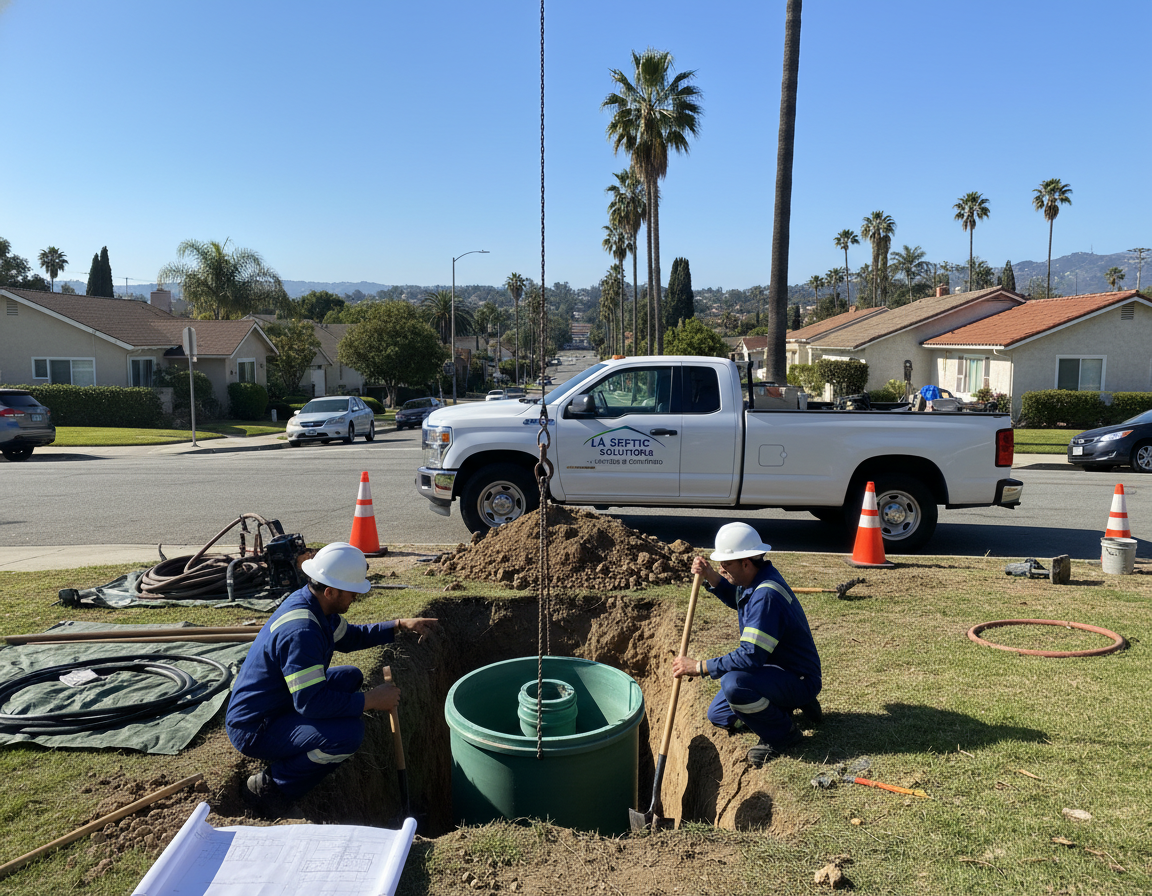
Nearly one in five properties outside central Los Angeles rely on on-site sewage systems, underscoring the major role of L.A. Septic Tank Installation for homeowners and builders. Septic Services of LA delivers licensed septic tank installation and complete septic system setup services. They serve neighborhoods throughout Los Angeles with licensed septic installers who oversee permits, inspections, and environmental compliance.

Licensed Septic Installers in LA
The company delivers start-to-finish septic system installation. This includes installing a septic tank for your property and new septic system installation in LA for homes and new construction. Additional services include pumping, testing, and ongoing maintenance.

Property owners in Los Angeles seek reliable septic installation contractors and experienced septic tank technicians. They need professionals who can manage local regulations while delivering durable septic tank services Los Angeles residents trust.

This guide explains the types of installations available including residential, commercial, and custom systems. The article also covers the process, from site assessment and soil testing to design, equipment selection, and construction. In addition, it discusses cost, financing, and aftercare, including maintenance, warranties, and emergency services.

Main Takeaways

  • Septic Services of LA provides professional septic tank installation and full lifecycle septic system setup services near you.
  • Licensed septic installers in LA manage permits, inspections, and regulatory compliance for new septic system installation in LA.
  • Services include installing a septic tank for your property, pumping, testing, and ongoing maintenance support.
  • Options cover residential, commercial, and custom septic system solutions to serve local needs.
  • The guide reviews process steps, cost and financing, and aftercare like warranties and emergency service.

Why Choose Professional Septic Tank Installation In Los Angeles

Putting in a septic system in Los Angeles involves much more than excavation and tank placement. The process involves following local rules, working with soil conditions, and protecting the environment. Doing so ensures every permit and design decision is made carefully. Working with experienced professionals makes the process smoother and helps reduce the risk of costly problems later.

Licensed Septic Installers In LA And Compliance Rules

In most cases, new septic systems and major repairs need approval from county or city health departments. These departments review soil type, distance from water bodies, and property lines. A qualified septic installer is familiar with Los Angeles County rules and assists with the paperwork needed to meet health code requirements.

Septic Tank Installation Services in Los Angeles

Environmental protection is a top priority. Proper siting and installation are designed to prevent contamination of creeks, rivers, and groundwater. Using licensed septic installers in LA supports successful inspections and long-term safety compliance.

Advantages Of Hiring A Professional Septic Installation Company

A professional septic installation company brings trained crews and specialized equipment. This can include excavators, pumps, and soil probes. Those professionals carry out site assessments, soil testing, capacity evaluations, and full system design.

Septic system installation professionals manage drain field layout, riser placement, effluent filters, and leak detection. They are able to recommend tank sizing based on household use and often include 24/7 emergency response for failures. Hiring professionals lowers the chance of system collapse, code violations, or expensive repairs.

What Septic Services Of LA Offers

Septic Services of LA offers a full-service approach built around accepted industry best practices. Clients can expect free estimates, detailed evaluations before work, and help with permit coordination. The company has septic installation specialists LA who perform installations, replacements, upgrades, and routine maintenance.

Expect transparent written quotes, scheduled pumping and cleaning, and inspections for real estate transactions. Licensed septic tank installer technicians can provide troubleshooting and emergency repairs. When upfront cost is a concern, the company may offer guidance on financing options to make quality work more accessible.

Service What It Includes Why It Is Important
Site assessment & permits Soil testing, setback checks, permit submission Supports compliance with local Los Angeles health regulations
Design services Tank volume planning, drain field design, and material selection Helps fit the system to household demand and site constraints
Install work Excavation, tank placement, risers, piping Professional work reduces risk of leaks and failures
Maintenance & emergency service Scheduled pumping, inspections, 24/7 repairs Extends system life and prevents property damage
Financing & quotes Straightforward pricing with possible financing support Makes quality septic installation company services affordable

L.A. Septic Tank Installation: Services, Types, And Solutions

Los Angeles property owners and builders often choose from multiple septic system options. This section details common services, suitable system types for local soils, and practical solutions for homes and businesses. Its purpose is to show what to expect during residential septic tank installation and larger projects.

Residential Septic Tank Installation And Full System Setup

Residential septic tank installation includes tank placement, baffles, effluent filters, risers for access, and a drain field. Technicians size the system based on household drain count and expected use to help prevent backups and odors.

Planning involves tank sizing, sediment removal, and installing alarms or monitors to prevent overflows. After installation, services include regular pumping, inspections, and cleaning to maintain system performance.

Septic Installation For New Builds And Custom Solutions

With new construction, crews perform site assessments and soil testing before proposing custom septic solutions. Designs account for site constraints, local codes, and future expansion plans to ensure longevity and compliance.

Tailored solutions can include advanced treatment units, aeration systems, and customized drain field layouts. Professionals work closely with builders to manage site preparation, driveways, and concrete work during installation.

Commercial Septic Systems And Specialized Solutions

Commercial projects often involve larger systems, grease trap installation, and cleaning for restaurants, along with routine pumping services. Businesses also receive maintenance plans and scheduled inspections to protect operations.

Specialized services include drain field repair, root removal, backflow prevention, pressure systems, and replacement strategies. Emergency support and system expansions support those who need to install or upgrade septic systems in LA, including for larger properties.

How A Top Septic Tank Installation Company Handles The Process

A trusted company starts the project with a detailed site review. Then the team works through each stage from planning to final completion. That approach helps ensure the septic system meets required standards and homeowner expectations.

Every job begins with site assessment and soil testing. Crews conduct a visual inspection, map utilities, and perform probe and percolation tests. Next, they apply for permits with local health departments to verify placement rules and capacity requirements.

The design team develops a detailed plan based on test results. The design accounts for tank volume, drain-field type, and required baffles or effluent filters. Options can involve concrete or polyethylene tanks, and sometimes aeration or advanced treatment units.

Within Los Angeles, septic installation calls for extra paperwork and setback checks from wells or streams. Experienced teams manage these steps and provide documentation for real estate transactions and long-term maintenance.

Most installations follow a standard sequence. Site preparation and excavation come first. Afterward, tank delivery, setting, and connection of inlet and outlet pipes take place. Crews then build the drain field, backfilling, compacting soil, and scheduling final inspections.

The schedule can vary according to site conditions and project difficulty. Simple residential installs can finish in a few days. More complex new construction jobs or projects with difficult soils may take several weeks, including permit processing and cure times.

After installation, there is a system startup and homeowner walkthrough. Technicians recommend the first inspection or pumping date and provide warranty paperwork. This creates a clear record of the work performed.

If you want fast answers and nearby support, explore septic system setup services near you. Compare offerings to ensure the design matches property needs and future plans.

Septic Installation Costs, Financing, And Affordable Service Options

Anyone planning a new septic system in Los Angeles should first understand the likely costs. Prices vary based on site conditions, tank type, and permit requirements. A detailed estimate helps avoid surprise expenses, making affordable services more realistic.

Main Cost Factors For Installing A New Septic System In Los Angeles

Pricing is affected by the tank’s material and size. Concrete tanks, though pricier, provide durability. Polyethylene tanks are more affordable but can come with a shorter lifespan. The type of drain field and soil conditions also influence excavation and design costs.

Accessibility and the need for heavy equipment can increase labor and rental costs. Additional expenses may include permits, inspections, and the installation of effluent filters, risers, alarms, and advanced treatment units. Root removal, site remediation, and plumbing connections can also add to the total. Complex or commercial projects require more design and engineering, which pushes the cost further.

Affordable Septic Options And Financing For Homeowners

Local contractors often provide free estimates, allowing homeowners to compare pricing and services. Selecting the right tank size and adding protective features helps limit long-term maintenance and failure risks. Some companies and banks may provide financing options, including low-interest loans and payment plans.

Septic Services of LA gives clear quotes and can discuss financing options. That helps homeowners in Los Angeles install a new septic system without financial surprises.

The Value Of Quality Septic Installation Compared With Cheap Fixes

Professional installation minimizes the risk of early failure and contamination. It also cuts down on costly emergency repairs and ensures code compliance. Although the upfront investment may seem high, it can save money over time.

Low-cost shortcuts can result in higher long-term costs, environmental damage, and reduced property value. Hiring experienced installers and following best practices protects your home, landscape, and finances. This smarter strategy makes affordable septic tank installation a more practical reality.

Maintenance, Warranty, And Aftercare From Trusted Septic Installation Contractors

Maintaining a septic system properly is important for the long-term health of your property. Trusted installers provide guidance on maintenance tasks, service intervals, and when to call a technician. Doing this supports efficient and dependable system operation.

Standard Septic Maintenance Schedule

Regular maintenance includes septic tank pumping, baffle and riser inspections, effluent filter cleaning, and drain field checks. These tasks help prevent clogs, water pooling, and unpleasant odors.

The frequency of these services depends on tank size and household usage. Local septic tank installers review your system’s capacity and recommend a pumping schedule tailored to your needs.

Planning For Repairs And Replacements

Technicians can quickly spot and handle leaks, clogs, and component failures. They also plan for repairs and replacements, including drain field fixes, component swaps, and system expansions when household demand grows.

Inspection reports give essential information for decision-making, permit applications, and real estate or loan processes. Such reports are important when making informed repair or replacement choices.

Warranty Coverage And Emergency Services

Reputable firms provide written warranties on workmanship and components. Warranty coverage generally includes maintenance requirements needed to keep the protection valid.

Emergency programs and warranty coverage may include 24/7 availability for overflows and urgent failures. Quick response times reduce the risk of costly cleanups and health hazards.

Selecting Local Septic Expertise

Look for nearby septic tank installers familiar with Los Angeles regulations, soil conditions, and seasonal challenges. A reliable service should provide transparent estimates, clear communication, and customer-focused perks like discounts for veterans.

Aftercare Service What It Covers Typical Frequency Why It Matters
Pumping And Cleaning Cleaning the tank, removing solids, and inspecting baffles Usually every 3–5 years depending on usage Prevents backups and prolongs drain field life
Inspection & Reports System review, flow testing, and written reporting Yearly or during a property sale Supports repair and replacement planning and permits
Filter Cleaning Service Clear filters that protect drain fields Every 6–12 months Reduces clogs and costly repairs
Leach Field Repair & Expansion Repairing leach lines and expanding capacity As needed after inspection Supports compliance and manages higher usage
Emergency Response Anytime service for urgent overflows and septic breakdowns Available when needed Minimizes damage and health hazards
Written Warranty Records Written terms for workmanship and parts Given at installation or during service Helps protect the investment if maintenance requirements are followed

Conclusion

Licensed, experienced installers are a key part of a successful L.A. Septic Tank Installation. They help ensure regulatory compliance, groundwater protection, and longer system life. Working with a top septic tank installation company provides peace of mind from start to finish.

Septic Services of LA offers complete solutions, from site assessment to emergency response. Their team works with both residential and commercial clients, offering clear quotes and permit assistance. This helps ensure homeowners understand costs and timelines before the work begins.

A core takeaway is the importance of checking contractors for proper licensing and local expertise. You should prioritize quality over low-cost shortcuts and maintain systems regularly. Reliable contractors usually offer warranties, planned service, and rapid repairs to protect the property and the environment.

If you are ready to proceed, ask for a free estimate or consultation for L.A. Septic Tank Installation. Discuss financing options and choose the best septic tank installation contractor for your project. Early involvement from an experienced installer helps prevent costly issues and supports long-term performance.

Comprehensive Assessment: The Role of HVAC Mold Inspection in LA in Overall IAQ

Notable fact: the EPA reports air pollution inside a home may reach levels two to five times above outside air. That reality highlights why a targeted inspection matters in any home.

This resource is about Commercial Mold Testing in LA
For more than 20 years the team at Mold Inspection in LA has examined the way poor indoor air impacts family health throughout Los Angeles. We offer science-driven services and easy-to-read reports so you can review the outcome and take action without delay.

When you schedule a test with our company, you receive a detailed evaluation of indoor air and surface sampling, a clear report, and the information needed to protect your home. Our approach blends hands-on work with proven methods that deliver reliable results every time.

See www.moldinspectioninla.com to find out how our inspection and mold testing services can support easier breathing and smarter decisions for your family.

The Importance Of Indoor Air Quality Mold Testing In LA

Los Angeles homes face unique risks when unseen contaminants build up over time. Even small moisture issues and high humidity can allow spores to grow and travel inside walls and ventilation systems.

Indoor Air Quality Mold Testing in LA

Health Risks Of Poor Air

Chronic exposure can cause headaches, fatigue, dizziness, nausea, and breathing problems. These problems frequently begin mildly and grow worse without action.

Consistent evaluations safeguard households by uncovering problems before they develop into long-term health concerns.

How Humidity In Los Angeles Affects Homes

Warm coastal weather raises moisture levels in many homes and buildings. Excess moisture supports mold growth and makes prompt inspection and response more important.

  • Mold Inspection in LA, available through www.moldinspectioninla.com, stresses that proper testing is vital to spot hidden risks.
  • Poor air quality in buildings can worsen asthma and other chronic conditions; our company focuses on keeping your home safe.

Frequent Causes Of Indoor Air Contamination

Every building carries a handful of common contamination sources that quietly reduce comfort and safety.

Our company, Mold Inspection in LA, has managed thousands of cases throughout more than 20 years. We find that water damage ranks highest among drivers of mold and other air problems.

Frequent causes include leaking roofs, plumbing failures, damp insulation, and soaked flooring following storms or accidents. Aging materials and built-up dust may also retain spores and airborne contaminants.

  • Unaddressed water incidents can lead to rapid spread and lasting damage.
  • Household items and HVAC systems can hold contaminants if not cleaned or inspected regularly.
  • From small home offices to large commercial properties, hidden issues may require professional inspection and remediation.

Early testing and ongoing inspections allow people to catch problems sooner and safeguard both occupants and property. For details or to schedule a visit, see www.moldinspectioninla.com.

Signs Your Building Needs Professional Inspection

Noticeable staining, distorted baseboards, or lingering damp smells can suggest that moisture has compromised an area of your building. Quick action helps reduce damage and protect the health of occupants.

Identifying Hidden Water Damage

For mold to develop, three factors are generally needed: spores, a food source like wood or drywall, and moisture. When these factors are present behind finished surfaces or under floors, the space should be reviewed by a certified mold inspector.

We provide professional air testing along with comprehensive inspection services. We find hidden moisture problems and explain when remediation or additional mold testing is needed.

  • Mold Inspection in LA, through www.moldinspectioninla.com, recommends a certified inspector if you notice water damage in your home or office.
  • Finding concealed moisture is the first step; we check vents, crawlspaces, and behind finishes.
  • We perform a clear test and report so you know if remediation is necessary for the building.
  • A timely inspection safeguards your property investment and reduces the chance of additional water damage.
  • Our team prioritizes health and uses proven methods to document findings.

A Science-Based Approach To Mold Detection

Science informs every part of our workflow, from sample gathering to the completed report. Our team uses industry-standard tools that are thoroughly maintained and regularly calibrated to ensure sample integrity.

A certified mold inspector on our team applies advanced sampling strategies to produce results based on actual conditions rather than guesswork. That precise approach helps identify the mold involved and guide any necessary remediation strategy.

With extensive experience, we treat every property as unique. Our team adjusts the work and testing process to the needs of each property and delivers an actionable, easy-to-read report.

  • Mold Inspection in LA, at www.moldinspectioninla.com, uses a science-based process to deliver accurate results.
  • Detailed sampling and prompt analysis provide the information needed to address the issue.
  • Our inspector provides trustworthy data along with practical recommendations for remediation.

Advanced Technology For Moisture And Mold Identification

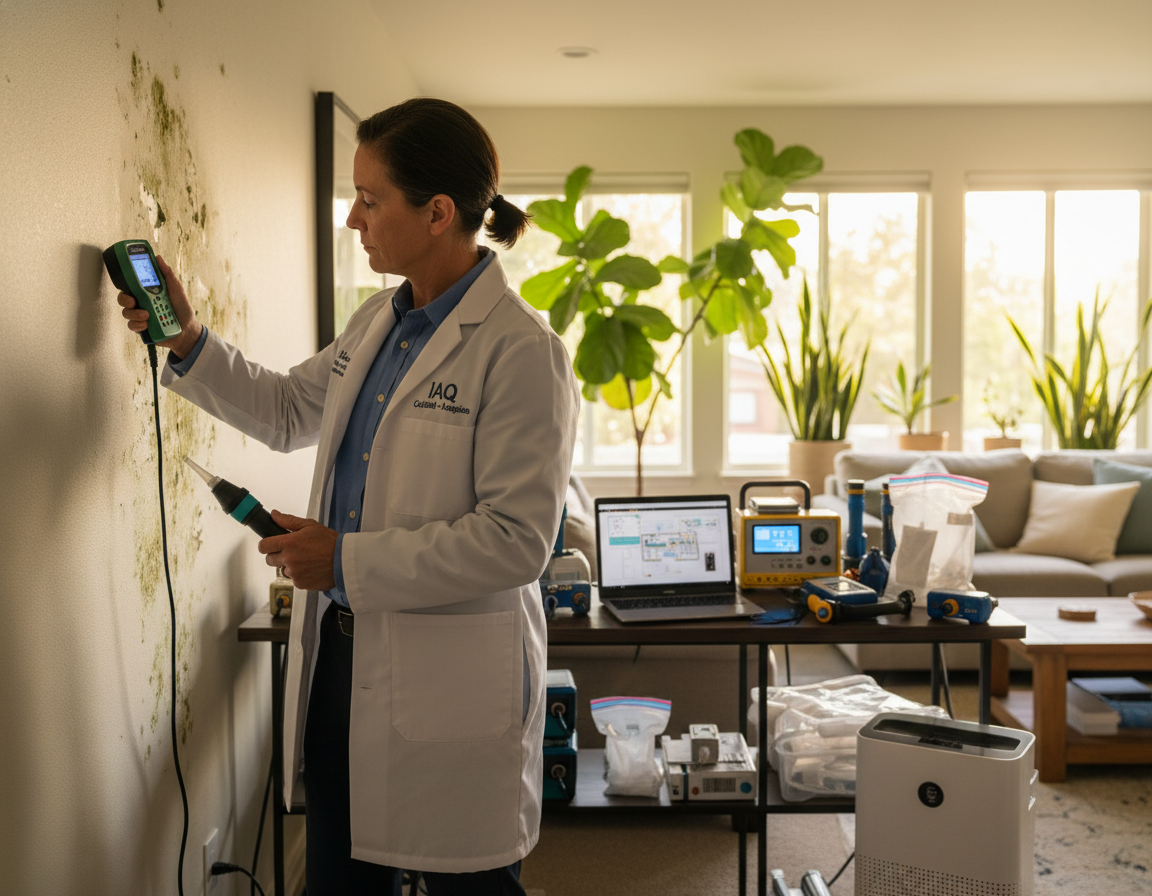
Advanced thermal cameras let us see moisture paths that are invisible to the naked eye. These tools speed up diagnosis and reduce the need for disruptive probing into finished surfaces.

How We Use Infrared Cameras For Precision

Our inspection services are strengthened by FLIR infrared camera technology. The imaging system maps temperature variations that often identify moisture and hidden water issues.

By finding wet areas quickly, thermal imaging helps ensure remediation addresses the source instead of relying on guesswork.

How Sampling Strategies Improve Accuracy

We pair careful visual checks with targeted air and surface sample collection in our sampling plan. This approach delivers reliable findings and a clear final report.

Inspection Tool Purpose Key Benefit
FLIR infrared camera Identify concealed moisture Faster inspections with less disruption
Targeted sampling Verify contamination Reliable lab results for remediation planning
Complete report Record findings Clear recommendations and expected cost guidance
  • Mold Inspection in LA, through www.moldinspectioninla.com, relies on these tools to help protect your home or building.
  • All inspectors are trained to pair thermal imaging with strategic sampling to produce reliable findings.

Why A Certified Inspection Company Matters

Choosing a certified inspection company gives you clear, lab-backed results and a written report you can trust. We carefully document findings so people have the information they need to respond quickly and protect health.

All inspectors at Mold Inspection in LA are Certified Mold Inspectors (MICRO and MIS CMI). We prioritize precise sampling and independent analysis. We do not handle remediation, which helps keep our work independent and avoids conflicts of interest.

  • Mold Inspection in LA, via www.moldinspectioninla.com, uses only certified inspectors when serving residential and commercial properties.
  • Our company delivers reliable testing and clear reporting so you can understand both the findings and the next steps.
  • Precise samples and quick lab analysis provide the information needed to protect people and property.
  • We have the experience to evaluate a wide range of problems and deliver unbiased findings.
  • Call 888-948-4826 to speak with an inspector who can explain the best approach for managing indoor air concerns.

Certified inspections deliver dependable data, so remediation decisions rest on evidence rather than guesswork.

Closing Summary

Getting reliable results starts with a focused visit from a qualified inspector who documents every finding. Our team at Mold Inspection in LA provides clear samples, concise reports, and practical next steps.

Our professional mold testing and inspection services are available throughout Los Angeles to help protect your household and property. Using advanced sampling methods, our inspector pinpoints problems early and guides remediation when needed.

Rely on our company for prompt results and straightforward advice. See www.moldinspectioninla.com or call to arrange an assessment. Take the next step toward a healthier, safer home today.

Mold Inspection in LA

555 N Broadway, Los Angeles, CA 90012

Phone: (424) 600-2505